
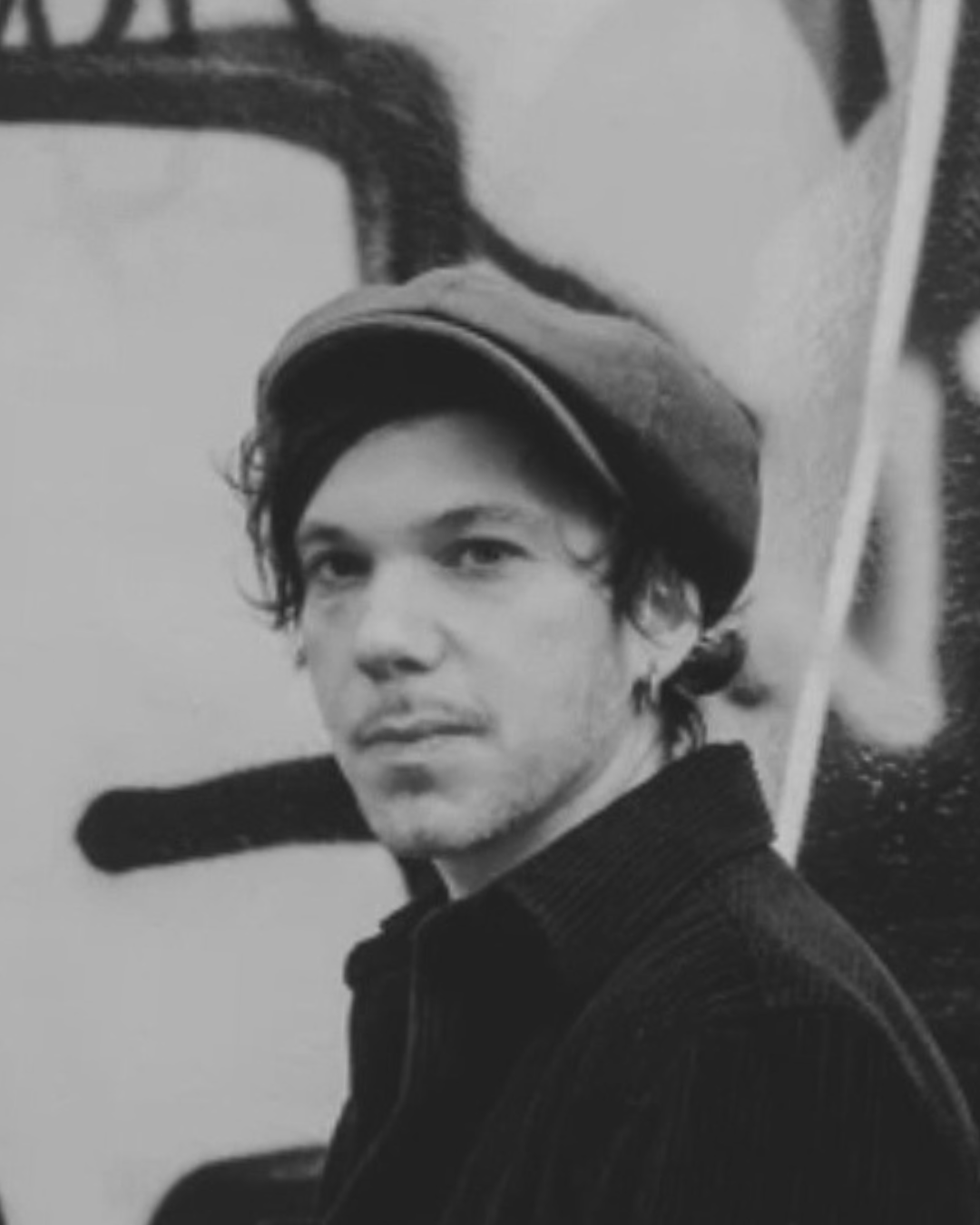
Some voices don’t arrive polished.
They arrive carrying something with them.
Not technique. Not perfection.
Weight.
Tiwayo has been called “The Young Old” for a reason. There’s a texture in his voice that doesn’t feel learned or constructed. It feels lived. Like it’s been somewhere before it ever reached a microphone.
You hear it immediately.
Not in how loud he sings, but in how little he needs to prove. The phrasing leans back. The groove breathes. Nothing is rushed, nothing is forced. It sits somewhere between restraint and release, where every note feels chosen instead of placed.
And that’s where his music lives.
In a landscape where modern soul often leans on polish, Tiwayo moves in the opposite direction. Not chasing nostalgia, but also not trying to modernize it beyond recognition. There’s a looseness to it. A sense of space. The kind of sound that lets the room exist inside the recording.
You can hear the air between the instruments.
You can feel the musicians listening to each other.
That difference matters.
Because Tiwayo doesn’t approach soul as a style. He approaches it as something you carry. A language shaped by movement, by distance, by not quite belonging anywhere long enough to settle.
A Frenchman in Texas.
A soul singer with a bluesman’s heart.
A traveler who never fully arrives.
That tension runs through everything he does.
After two acclaimed albums, including one released on Blue Note Records, Tiwayo quietly stepped away. Long enough to almost disappear. Until Adrián Quesada, known for shaping the sound of Black Pumas, heard something in his demos that couldn’t be ignored.
What followed wasn’t a comeback built on volume.
It was a return built on clarity.
Recorded in Austin at Quesada’s Electric Deluxe studio, Outsider doesn’t try to reinvent soul. It strips it back to its essentials. Groove, space, feeling. With contributions from musicians rooted in that same lineage, the album moves through influences without ever sounding referential.
There are traces of Memphis.
Echoes of Muscle Shoals.
But it never settles into imitation.
It stays personal.
Tracks like “I’ve Got To Travel Alone” and “Up For Soul” reflect that duality, movement and groove, introspection and release. While “Sunshine Lady” shifts the tone, lighter on the surface, but still grounded in something sincere. A song built on gratitude, without losing the grain in his voice that keeps everything human.
Nothing feels overworked.
Even at its most structured, the music leaves space for imperfection. For breath. For the kind of detail that doesn’t announce itself, but stays with you after the song ends.
And that’s the thread running through Outsider.
Not trying to belong.
Not trying to impress.
Just staying close to something real.
Because Tiwayo doesn’t play by the genre’s rules.
He doesn’t need to.
He stands slightly outside of it. Watching, absorbing, translating.
And maybe that’s exactly why it works.
It’s not about recreating soul.
It’s about letting it happen.
You don’t just hear it.
You feel it somewhere lower.