Vol11 


01 Desert Frequencies

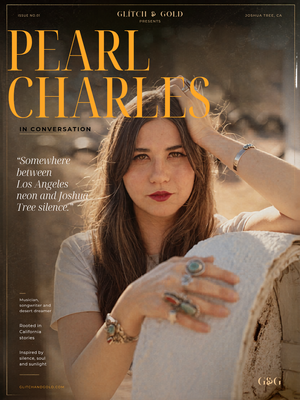
Somewhere between Los Angeles neon and Joshua Tree silence, Pearl Charles creates music that feels timeless without becoming nostalgic.

1. Your music pulls from so many different places,  indie, alt-pop, folk, disco, even hints of blues and psychedelia. When you’re creating, do you consciously blend those influences, or does it happen instinctively?

I think I would have to say a little bit of both! I’ve always loved so many different types of music, so blending them just came naturally, but I have also consciously considered how I could push those boundaries and make something that feels unique and authentic to my voice and for me that meant merging genres and styles that I resonated with to create something new that felt distinctly my own. Although some of the combinations may be unexpected to the listener, for me they’ve always felt organic since they’re just different interpretations and amalgamations of what I love.


02 Old Souls Never Sound Dated

Pearl Charles draws deeply from older eras of music, but her songwriting always remains rooted in the present.


2. There’s a strong retro undercurrent in your sound, but it never feels nostalgic or stuck in the past. What draws you to older eras of music, and how do you keep it feeling current?

I don’t really know why I’ve always been drawn to older music, but it has always been the case as far back as I can remember. I think I may just be an old soul, but I think the way to keep the music contemporary is to speak honestly through the lyrics. My music has always been very autobiographical and since I am a person existing in the modern day and I’m not trying to cosplay as someone from the past despite strongly drawing on those influences, inevitably the themes and the lyrics reflect my current reality and I think that’s what keeps it fresh and new rather than feeling like a pastiche.


03 Space Between The Notes

On Desert Queen, everything feels slower, wider and more patient, almost as if the silence itself became part of the songwriting.

3. With Desert Queen, there’s a noticeable shift in atmosphere — less urgency, more space. How much of that change came from your move away from Los Angeles?

I definitely think my move to the desert hugely influenced the sound of this album. Los Angeles is obviously a major, urban city and though you can fight to find ways to tune out, you’re definitely pretty much always immersed in the hustle and bustle. Out in the desert there is truly nothing but open space and silence, so you can really take the time to get inside your own head without distractions and I think the writing and the production really reflect that.


04 Letting The Songs Breathe

Experience has changed the way Pearl Charles approaches songwriting, allowing intention to replace urgency.

4. Your recent work feels more patient, almost like it allows the songs to breathe rather than pushing them forward. Has your creative process slowed down intentionally over time?

I do feel like there’s just a maturity that comes with getting older and more experienced as an artist. When you’re young you’re very anxious to keep pushing and creating for the sake of creating, which isn’t necessarily a bad thing because it’s how you learn and grow, but as I’ve made more and more records, I’ve definitely become more intentional with each melody, lyric and arrangement. There is nothing superfluous and I think every aspect of the songs and the entire album hits harder that way.


05 Beauty With Shadows Underneath

Even in its warmest moments, Pearl Charles’ music often carries something darker beneath the surface.

5. There’s a subtle tension in your music between beauty and something darker underneath — especially in how you reflect on places like LA. Is that contrast something you actively explore when writing?

Absolutely. I’ve always loved to juxtapose seemingly happy music with darker lyrics, I just think it creates a deeper listening experience to create contrast rather than hit people over the head with more obvious choices.


06 Finding Cohesion

Though unmistakably a solo artist, Pearl Charles has found consistency through the people surrounding the music.

6. You’ve moved through different phases as an artist, from band dynamics to a more defined solo identity. At this point, what feels most “you” in your sound?

It’s funny, I actually almost feel the opposite. Although I am distinctly a solo artist, I’ve actually been playing with a lot of the same players for years now which has given my last few albums and the live show more cohesion than I had in the past.


07 Building Entire Worlds

The visual atmosphere around Pearl Charles’ music feels inseparable from the songs themselves.

7. Your music often feels cinematic, like it exists in a visual world as much as a sonic one. Do images or environments play a role when you’re writing or recording?

I always want to create an entire world you can really escape to and live in when listening to my albums, so naturally that includes the visual elements - from the outfits to the album art and the music videos. Of course this album was strongly influenced by the desert, but it also touches on my lifetime in Los Angeles, as do my past albums. Who knows where in the world the next one will take us!


08 Creativity Beyond Music

Joshua Tree didn’t just influence the album, it changed the rhythm of daily life itself.

8. Living in Joshua Tree seems to have introduced a different pace and perspective. What did that shift teach you about creativity, beyond just making music?

Living out in the middle of the desert has definitely allowed me to explore other creative avenues without the easy distractions that come from being in the city. I’ve spent more time exploring my other artistic passions, whether that’s shooting Polaroids or super 8, editing music videos, writing ideas for novels or scripts or just taking more time to find inspiration from other sources like literature, film and even nature.


09 Human Connection In A Digital Age

At a time where music increasingly feels automated and disposable, Pearl Charles still approaches songwriting as something deeply human.

9. In a time where music is increasingly fast, digital and even AI-driven, your work feels very human and intentional. How important is that sense of human connection in what you create?

Human connection is literally everything to me when it comes to making and consuming music. Part of why I love performing live so much is the energy exchange between the audience and the band every night. No two nights are ever the same and that really is such a big part of the magic. Though I’m not in the room with the listener when they’re taking in the album, I know I put my all into the music, so I’d like to think they can feel that and feel a bit more understood and less alone in the world when they’re listening because that’s how I feel when I’m creating and that is the experience I want to create for others.


10 Music That Evolves With The Listener

For Pearl Charles, music isn’t about forcing meaning onto people, but allowing listeners to find themselves inside the songs over time.

10. If someone hears your music for the first time, what do you want them to feel, not just understand, but actually feel?

That’s a big question! I don’t know if I have a strong answer for that, I just want the listener to be able to take away whatever they need from the music in that moment, and that may very well change from day to day, month to month, year to year. That’s the joy of following an artist for their entire career or for a lifetime. The artist changes, the listener changes, but ideally that relationship evolves and grows to meet the moment that they’re in at any given time.


Explore More From The Interview on Instagram


Listen to Pearl Charles 


All photography by Mandi Fountain

Vol10 

INTRODUCTION

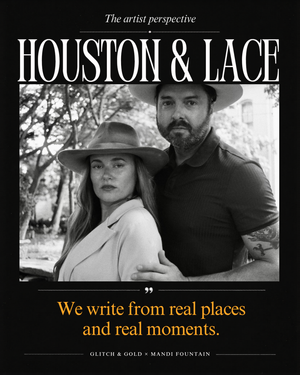
Houston & Lace don’t sound interested in chasing trends, genres or polished industry narratives.

What they create feels rooted somewhere deeper, in trust, instinct and the kind of songwriting that comes from lived experience rather than performance.

In this conversation with Glitch & Gold, the Nashville duo talks about marriage, creative honesty, authenticity and the emotional weight behind the music they make together.

The result feels less like an interview and more like a glimpse into the world they’ve quietly been building all along.

━━━━━━━━━━━━

01   Marriage & Music

You’re not just collaborators, you’re married. How does that change the way you write music together?

It’s both rewarding and challenging because of the level of intimacy involved, but also incredibly freeing, because we trust one another completely.

━━━━━━━━━━━━

02  The First Spark

When a song starts, who usually brings the first idea?

We both bring ideas to the table, and the best idea always wins.

━━━━━━━━━━━━

03  Creative Tension

Do you ever disagree creatively, and what happens when you do?

Not really, other than the fact that Houston isn’t always eager to be overly exposed.

━━━━━━━━━━━━

04   Beyond Genre

Your music feels very “real country”. What does that actually mean to you today?

We don’t really think about being “country” as a genre. We just make the music we want to make, people can call it whatever they want.

━━━━━━━━━━━━

05   Stories Or Reality

How much of your real life ends up in your songs?

Less than you might think. Our songs can sound like someone hanging on for dear life, but ironically, we’ve been finding a lot of comfort and peace in our lives while writing and recording them, as macabre as they may seem at times.

━━━━━━━━━━━━

06  The Song That Changed Everything

Is there a song that feels the most personal to both of you?

“Lovers Do” made Houston’s father cry, and that was a turning point. It made us realize we should be making music together as an actual group.

━━━━━━━━━━━━

07   Outside The Nashville Machine

Nashville can be very industry-driven. How do you stay authentic in that environment?

We honestly don’t care much about “the scene.” We love our home, and we’re not interested in playing any games.

━━━━━━━━━━━━

08   Timelessness

What makes a song timeless instead of just “good”?

Authenticity.

━━━━━━━━━━━━

09   What People Haven’t Seen Yet

What are you building right now that people don’t see yet?

We’ve finally found a production team, a producer and a mixing engineer, who can take our songs and our sound and elevate them into exactly what we imagined, and more. That’s priceless.

━━━━━━━━━━━━

10   The Feeling

If someone hears Houston & Lace for the first time, what should they feel?

An alt-country revival.

Explore More From The Interview on Instagram


Listen here to Houston&Lace


All photography by Mandi Fountain 


Vol.09 

Introduction 

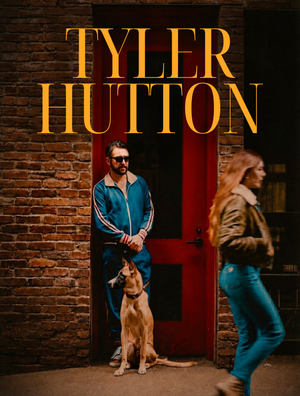
After years of chasing his own sound between roots music, soul and storytelling, Tyler Hutton is finally arriving somewhere that feels entirely his own.

In this interview with Glitch & Gold, he reflects on authenticity, imperfections, songwriting, creative independence and why honest performances will always matter more than perfection.

From Los Angeles to Nashville, from band dynamics to finding his own voice, this conversation captures an artist choosing feeling over polish, and substance over trends.


01  Finding His Own Voice

You grew up on The Beatles, Motown and roots music. When did that shift from influence into something that actually felt like your own sound?

I think that is an ongoing process for me. It has taken a long time to find my own voice in my music and I still hear my influences in what I write but with the last few tunes I have released I think I am closing in on my own distinct sound.


02   Outsider By Nature

You’ve said you never really connected with contemporary music growing up. Do you still feel like an outsider in today’s scene, or has that changed?

I still feel largely the same and there are a few reasons. The first being I don’t really like the way modern music is produced in a lot of cases with the aim being this perfect and seamless sound. It doesn’t feel like there is a lot of room for imperfections and I prefer an organic human performance, all of my favorite records are littered with little imperfections that make them sound real to me.

Although there are many modern exceptions I should add. Secondly, I find that I don’t relate to the lyricism or writing in a lot of what I hear that is popular at the moment, feels like a lot of it is trying a bit too hard and less on the authentic side.

Don’t know if that is fair for me to say but it’s how I feel although it opens me up to lots of criticism myself of course. Luckily I have endless music from past decades to listen to and discover and of course I do like plenty of modern artists, they just don’t happen to be in the top 40. A lot of my favorite contemporary artists are here in Nashville like Elijah Ocean and Tony Hannah.


03   Stories, Feelings Or Both?

Your songs feel very story driven. Do they usually come from real moments, or do you build stories around a certain feeling?

I think it happens both ways, songwriting is funny like that. Sometimes I don’t even realize I am writing about a real moment until much later and other times the feeling I am capturing in a song doesn’t even feel like my own.


04   Classical Roots

You studied classical guitar before fully stepping into songwriting. What did that period actually change in the way you write today?

It is kind of hard to put my finger on because I have done my best to not think in terms of theory when it comes to songwriting which was a large part of my music education. But I think it is often in the chord changes or the melodies I write where I sometimes realize I wouldn’t have written that way without the background in classical.


05  Own Path, Not An Easy One

You spent time in Los Angeles working with others, and now you’ve moved to Nashville focusing more on your own path. What changed for you in that transition?

It was a lot of false starts for sure. I never really wanted to be a solo artist because I love nothing more than the collaborative aspect of a band.

But a band requires a lot of work and a synchronicity on top of a lot of egos endlessly clashing in my experience which has been exhausting and unsustainable. I have always really enjoyed taking a backseat as well though and still do, playing bass or guitar in other projects and bands.

I realized at some point though that I needed a vehicle for my own creativity and so doing it this way as an individual just became a necessity by default over time.


06   Music Before Images

Tracks like Through My Window or The Gunslinger feel very visual. When you write, do you see images first or hear the music first?

Almost always the music first and the lyrics later. But every so often I will write some poetry or lyrics that I set music to. I suppose those songs start as images.


07   Soul Music & New Chapters

Your newer release Wish I Had A Girl Like You feels a bit more direct and open. Is that a conscious shift, or just where you are right now?

I wish I could say I wrote that song! It is a cover of an old and slightly obscure Robert Moore tune that I love.

But it is partly where I am right now because it is the first in a series of old Soul/R&B tunes I am going to cover and release as singles. It’s a bit indulgent I know but I can’t resist, I’m having a lot of fun with it and that music is very near and dear to my heart.


08  Honest Songs, Real Feelings

You’ve mentioned caring less about technical perfection and more about voice and storytelling. When did that shift happen for you personally?

I think I picked that up from listening to the bands I love. Especially those from the 60’s who pioneered studio recording at a time where they couldn’t just endlessly perfect everything.

It has definitely always been my approach. I am just trying to capture a natural and honest performance with varying degrees of success. I like the gamble of that a bit and honestly technical proficiency in music sounds very sterile and one dimensional to me when it is the focus.

I am partial to a more primal approach that relies solely on feeling.


09   The Songs That Stay Behind

You’ve talked about having a backlog of songs. How do you decide which ones are ready to be released and which ones stay unfinished?

Gosh it has kind of just happens as I go. I have always written really prolifically for better or worse. So I have lots of songs that in my mind aren’t good enough to be recorded. I tend to see these as exercises in writing or just songs I have outgrown.

I have a bit of a process where I set out to make an album and write a batch of songs with that intention in mind. I did this with my first two albums. I have written so many others that are either recorded and unreleased, half-recorded or abandoned entirely.

My problem is I get really excited about something fresh and new and lose interest in older songs. But every once in blue moon I unearth something and decide to record it like this tune “Lady” I put out a while back. I found this old demo of it and decided it would be fun to cut it.


10   The Road Ahead

If this current chapter is about getting out there and playing more live, what can people expect from a Tyler Hutton show right now?

I consistently and solely have been playing acoustic shows for the last several years which can be really limiting. So I am looking forward to getting a band together to play my songs like they are recorded or even to breathe new life into them.

I also have a TBA side project with my songwriting partner, Sam Davis that we are most certainly going to recreate live in some capacity! So lots of full band shows in near the future!

Explore more from the interview on Instagram 


All photography by Mandi Fountain

Listen Tyler Hutton here

Vol.08 

Interview #8

Featured Story

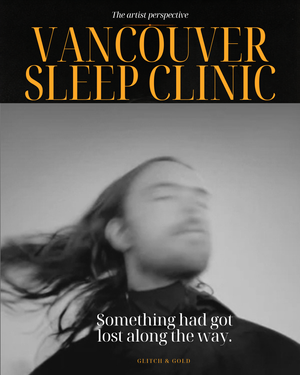
After a long period of creative silence, Vancouver Sleep Clinic returns with Valley Of My Prime, an album shaped by burnout, reflection and rediscovering the love for music again.
In this interview with Glitch & Gold, he opens up about emotional exhaustion, healing, identity and the moments that brought him back to creating.


The Return

1. You described the period before Valley Of My Prime as a complete burnout where you felt frozen creatively and emotionally for almost two years. Looking back now, what do you think that silence was trying to tell you?


The silence was trying to tell me to live life a little, to not take everything so seriously and just to slow down and enjoy the beautiful world around me. Although it didn’t feel like it at the time, it was truly a blessing in disguise - i was able to process and heal through a lot of what had happened to me over my career, fall i nlove, and invest into my family, friends & community.


Honest Songwriting

2. The title Valley Of My Prime feels both reflective and uncertain at the same time, almost like standing between exhaustion and renewal. What does that title personally represent to you?


I feel like the title perfectly captures the place I was in over the 2 years of writing these songs. This album feels almost like a scrapbook of different moments from what i would describe as a life rock bottom, or in this case a ‘valley’. It felt like such a strange time to be feeling so low, because I was in my late 20s and in love - it felt like I should be making the most of some of my best years but many days it was a struggle to be motivated or excited about anything. 


Silence & Distance

3. There has always been a feeling of distance and atmosphere inside Vancouver Sleep Clinic’s music, but this new era feels more grounded and human somehow. Did your relationship with vulnerability change while making this album?


I just feel generally that I’ve never been closer or more in touch with myself through the artistic process than I am now. The ‘valley’ and the silence brought me back to Square 1, removed all of the distractions and noise that had piled up on the business and creative front over the past decade of VSC. I found myself back home, with a very similar small bedroom music setup to that which I started with as a 17 year old. Completely independent on the business side, I have never felt more connected to and excited about the songs I am creating and releasing, so I am really glad if the vulnerability is prevalent. 


Stepping Away

4. Nature and environment have always played a role in your sound, from field recordings to the emotional space inside your production. What places or moments shaped Valley Of My Prime the most?


The interesting thing about this album is that it came over such a wide span of time. Usually i will write and record a whole album in one chunk of time, but because I had been so demotivated and low through a lot of this album process, the songs were few and far between. I think it’s cool because you can sort of hear through the different sounds and sonics across the album the different emotional places I was in. Some moments are super raw and almost demo-like, whereas others are more fleshed out and cinematic. I think the overall inspiration is just to be completely transparent in reflecting the places I was in, not necessarily trying to over-polish or overthink anything.


The Live Connection

5. Earlier in your career you mentioned avoiding artists like Bon Iver, Sigur Rós or James Blake while writing, even though people connected your music to them. Has your creative process changed over the years or do you still protect your own voice in that same way?


Those are some of my favourite artists, it’s less about ‘avoiding’ them now but it’s more that when I’m in a writing phase, I’ll try not to consume too much music just to keep my ideas as original and authentic to what I’m going through as possible. 


Valley Of My Prime

6. Only Human already hints at a more emotionally exposed side of the record. Was there a specific moment where you realized this album needed a different kind of honesty than your previous work?

Not a specific moment as such, but there have just been so many lessons I’ve learned from my past albums that revealed things I really didn’t like doing, as well as things I want to try in the future. I think the biggest lesson was that I needed to get back to the heart of what music was for me. I needed to re-discover my first love for music, my ‘why’ for doing it. VSC has always been emotional and cathartic for me, so once i rediscovered that sense of purpose I was able to unlock a new level of honesty and transparency that I believe I haven’t found for a while.


Coming Home

7. A lot of artists talk about reinventing themselves after burnout, but this album feels more like rediscovering clarity than becoming someone new. Did making these songs feel more like rebuilding or remembering?


I’d say it was a lot of remembering. Trying to re-discover and re-learn what it felt like to make music as that 17 year old high school kid in his bedroom. Something had got lost along the way and I needed to refind it.


Purpose Again

8. Your music has connected deeply with listeners searching for comfort, reflection or emotional escape for years now. Do you feel a responsibility toward that emotional connection when writing, or do the songs still begin as something entirely personal?


It’s definitely a bit of both. Something else I’ve learned is that I really need to believe in the song on both emotional and spiritual levels for me to be excited about it and promote it. So it’s been essential for me to go back to making something that’s special to me before I even think about what it might mean to someone else. In saying that, part of my mission is to be there for people and use my gifts in any way I can for them, so it’s still really important to me that I can help create and faciliate a bond and point of relatability between myself and the listeners.


Rediscovering Joy

9. You once said that even in the studio, you always imagine the live connection first. After stepping away from touring and then returning to the stage again, did performing start feeling different to you emotionally?


I think this is actually one of the distractions I had to remove in order to get back to honest songwriting. I think i was making music too much with other factors in mind, like what people might think or how it would translate to a live energy. Whilst I still adore playing live and can’t wait to tour again soon, i think it was necessary and important to have some time away from it.


The Next Chapter

10. Valley Of My Prime arrives more than a decade after Vancouver Sleep Clinic first began. If the 17 year old version of yourself could hear this album today, what do you think he would feel?


I think he would be so proud and relieved that I have managed to come home both physically and metaphorically, that I have managed to re-discover purpose, joy & fall back in love with the artform that has given me so much

View Full Instagram Post

Listen to the new album Valley of my prime


Interview #7 

1. The Line  


Your sound feels deeply rooted in 60s and 70s soul, but never like a copy. What is the line for you between honoring that tradition and making something that feels alive today?  

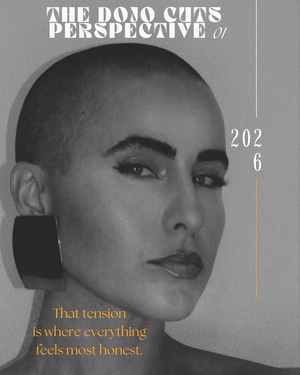
Nathan (Dojo Cuts):  
There’s no doubt that we are heavily influenced by music of that era, but there are no absolutes, no definite boundaries as to what we do.  

When we make music, we simply play what feels and sounds good to us. It just happens that we love the way instruments were recorded and played back then.  

We don’t consciously apply any rules or have grand plans. We just do what we do, and it comes out that way.  

---

2. The Space  


There’s a real sense of space in your arrangements, nothing feels overplayed. How conscious are you about what not to play when building a track?  

Nathan:  
Arrangement wise, it just feels better for most songs to follow a certain journey. For example, having a chorus as an intro, into a verse, chorus, verse, chorus, bridge, etc.  

But there’s no particular template when we write.  

With instrumentation, it’s important that there is space in the song for each instrument to take a seat, sit back, or step up and make a speech when the time is right.  

It’s not always conscious, but if something doesn’t sound right, we’ll simply not play a certain part or note at that point.  

---

3. The Energy  


A lot of modern soul leans heavily on production, but your records feel very performance driven. How important is capturing a live energy in the studio for you?  

Nathan:  
Just like rock, reggae, classical, blues, jazz, and many other genres, it simply feels and sounds better when it’s played live by people.  

That’s not to say those genres are better than other forms of music. It always depends on the situation and when the music is being listened to.  

You wouldn’t want a live band sound at 4:00 AM on a dancefloor in Berghain listening to minimal tech house or jungle. You’d want that precise, sculpted production or a driving break with a heavy bass underneath it.  

Having Flea doing slap bass there probably wouldn’t work as well as a growling Reese bass.  

---

4. The Voice  


Your vocal delivery sits right on the edge between control and release. How do you approach that balance when recording?  

Sarsha (Dojo Cuts):  
It honestly feels like a very natural space for me, that constant push and pull between control and release.  

When I’m recording, I’m not trying to force one or the other. I let the emotion lead, and then it’s about trusting myself enough to either hold back or let go in the moment.  

That tension is where everything feels most honest.  

---

5. The Groove  


The rhythm section feels incredibly tight but never rigid. How do you develop that groove as a band?  


Everything happens in the moment.  

These days, the “band” is primarily me playing drums, bass, guitar, and keys. But because my main instrument is guitar or bass, when the drumming needs a real drummer, I get my friend Mitch to come over and lay down a groove.  

Horns are usually Ken on trumpet.  

Originally, there was a full band of 5 to 7 people. The first two albums were recorded that way. Sarsha and I have been part of it since the beginning, and Ken joined on the second album.  

---

6. The Definition  


You’ve worked within a classic soul framework for years. Has your definition of “soul” changed over time?  


I’ve never really thought about the definition of a genre, but I know they exist.  

Like Chuck Berry, that’s Rock n Roll. And as a big Bon Scott era AC/DC fan, you can clearly hear that swing in their music that gives it the “roll.”  

Compared to bands like Led Zeppelin, who in many cases play more straight rock. Both are incredible in their own way.  

Also, I’m a junglist for life. I didn’t choose it, it just is. Same with hip hop. These are clear genres, but the lines can blur.  

When it comes to soul, the framework laid down by the MG’s, the Funk Brothers, Muscle Shoals, FAME studios, all of that… it just works.  

Sometimes the edges blur, and that’s part of it.  

---

7. The Process  


After your hiatus and return, did anything shift in how you approached songwriting or recording?  


Most of the new music is recorded as it’s created on the day.  

The process usually starts with drums. Then I’ll grab either bass or guitar and play along with the recorded drums until something feels right.  

From there, I layer the other instruments, doing a few takes until it feels good.  

Sometimes, but rarely, parts get re-recorded later. Most of what you hear are those first takes.  

For example, “Rome” was done instrumentally in about 2 to 3 hours.  

The draft gets sent to Sarsha, who lives about 1,000 km away. If it connects with her, she writes and records vocals at home, then sends them back. I handle the final mix.  

---

8. The Imperfection  


There’s a rawness in your recordings that feels intentional. Do you embrace imperfections as part of the sound?  


The imperfections are there because we’re not perfect musicians.  

Also, I’m kind of lazy and hope those little noises or wrong notes go unnoticed. I guess they don’t.  

And maybe it’s also the way I approach recording, just learning as I go, putting a mic somewhere and capturing the moment.  

Nothing is snapped to the grid.  

---

9. The Identity  


With different musicians involved across recordings and live shows, how do you maintain a consistent identity?  


It all starts with me being a control freak.  

Jokes aside, it mainly comes down to Sarsha being the voice. To be clear, Sarsha is Roxie Ray.  

And the fact that I’ve been there from the start.  

It’s probably our personalities imprinted between the notes, in the feel of the grooves, and in the tone of the sound.  

---

10. For The Record  


If someone hears Dojo Cuts for the first time, what do you want them to feel in their body, not just understand in their head?  


Enjoyment, or some kind of heightened emotion.  

I can get teary listening to certain songs. Like Bob Dylan’s “Hurricane”, even after hearing it countless times, the depth still hits hard.  

Or “A Hard Rain’s Gonna Fall”, especially the Staple Singers version. That delivery makes me stop whatever I’m doing.  Then there’s the imagery that Bob’s lyrics command. Just yesterday I printed out 2 verses and put the printout on the fridge. These excerpts below simply move me.

Even just reading certain lines can move me:  

Heard ten thousand whisperin’ and nobody listenin’  
 

Heard one person starve, I heard many people laughin’  
 

Heard the song of a poet who who died in the gutter

Heard the sound of a clown who cried in the alley

I met a young woman whose body was burningI met a young girl, she gave me a rainbow

I met one man who was wounded in love

I met another man who was wounded with hatred


Also, listening to the riff and groove in No Quarter (LZ) or No One Know (QOTSA) or Bulls on Parade (RATM) - they move me at a primal level. I can only hope the music we make has a fraction of the power and potency of these examples and that it hits folks in some way that they find attractive, thoughtful, or energetic. 

Interview #6 

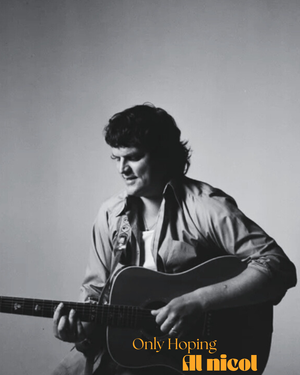
The Al Nicol Interview  

Editorial  

By Glitch & Gold  

March 2026  

4 min read  

---

1. The Beginning  

Can you tell us a little about where your musical journey started and how growing up eventually led you toward folk and singer-songwriter music?  

“My family would go on road trips every summer when I was a kid. Some of my earliest memories are from those long drives, listening to Cat Stevens and Neil Young on tape or CD as we rumbled down the highway on the way to another adventure.  

I remember the sound and frequency of that music opened a space in my mind that I’ve remained connected to ever since, a space of calm, pure escape from the world that could at the same time reflect back into my world and make me feel excited, inspired, and satisfied on a physical level.  

I learned piano from age 5 to 10 from a strict-but-effective older German lady in my neighbourhood. My sister and I would go every Monday and we always dreaded it. But we got pretty good. Performing Jesu Joy of Man’s Desiring in four hands was a peak moment for us.  

I was a sporty kid mostly though, and that’s where I focused most of my energy. Hockey in the winters, I grew up in Canada, and soccer, tennis and golf in the summers. Around the age of 12 or 13 I joined a boys choir at our family church. I hated it at first because it wasn’t the cool thing to do, but after a few months I really started to enjoy the community and the music.  

By the age of 15 or 16 I started learning acoustic guitar, then electric, and went from there. I also went to an arts focused high school where my instrument was the alto sax.  

It wasn’t until later that I started singing and writing songs in a garage rock band with friends. Inspired by The Strokes, Libertines and Arctic Monkeys. Around 27 I realized my voice really lay in the singer-songwriter music I had loved as a kid. I’ve been doing that ever since.”  

---

2. East Nashville  

You’re based in East Nashville, a place known for its songwriting culture. How does that environment influence the way you write and record music?  

“I moved here less than a year ago and the culture is already influencing my songwriting. I write with people quite often and really enjoy that collaborative energy.  

The pace of the city suits creativity. It’s not too fast, not too dense, and I have people close by to work with.  

There’s also a deep respect for songwriting here. It pushes me to take what I want to say more seriously, to dig deeper and say it with more emotion, because I’m surrounded by people who care about the craft.”  

---

3. The Sound  

Your music carries a very timeless folk atmosphere. When you write a song, do you consciously think about that classic sound, or does it simply come naturally?  

“It mostly comes naturally. I listen almost exclusively to older music.  

I’m not ignoring what’s happening now, but I think I just have an old-school disposition as a person, and that naturally comes through in my music.”  

---

4. Only Hoping  

“Only Hoping” is one of your most beautiful songs. What was happening in your life when that song came together, and what does it mean to you now?  

“Thank you. I wanted to write a song about the journey I took to find my soulmate.  

We had been together for a few years by the time I started writing it. We’d moved a couple of times and finally settled somewhere that felt stable. I also started to feel that stability in the relationship, like it could be something lasting.  


---

5. Songwriting  

Your songs feel very honest and personal. When you start writing, does the story usually come from real experiences, or do you sometimes invent characters and moments?  

“Every song has its essence buried in the music and melody. It’s my job to uncover it.  

I used to be more intentional, starting with themes and mapping out ideas before writing. Now I’m more open. I let rhythm, melody and even the way words feel in my mouth guide me.  

I’ve started to experiment with characters a bit, but most of my work still comes from personal experience. Even exploring thoughts, emotions and physical sensations as part of the process. It’s a bit of everything.”  

---

6. Influences  

Which artists or records shaped your musical world the most?  

“Neil Young, James Taylor, Cat Stevens, The Band, Leonard Cohen, Simon and Garfunkel, Fleet Foxes, Thom Yorke, The Beatles.  

I don’t have a huge range of influences, but hearing someone like Neil Young present his songs the way he does gave me permission to do my own thing.”  

---

7. The Voice  

Your voice has a very distinctive, almost fragile quality. Did that develop naturally or over time?  

“It came from exploration and a desire to reach a level of emotional expression where it felt like something was at stake.  

I only started singing this way around 2021. It used to be even more fragile. Over time I found that shifting songs into a higher range gave them more urgency and clarity.  

So it’s definitely been a process of growth.”  

---

8. The Album – Only Hoping  

Your album carries a quiet, reflective mood. Was there a particular feeling that connected the songs?  

There’s an aspirational and optimistic energy in the record. A kind of belief that things can work out.  

It’s reflective too. I think about the past a lot, the future a lot… and sometimes the present.”  

---

9. The Moment  

Is there a particular song that feels closest to who you are right now?  

I’ll always have a soft spot for Only Hoping because of how it came together and how it flows.”  

---

10. For The Record  

If someone discovers your music for the first time, what do you hope they feel?  

“Peaceful, calm, curious, inspired.”  

---

Featured genres:  

Folk, Singer-Songwriter  

Listen here

Interview #5 

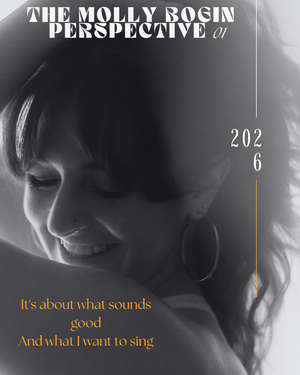
The Molly Bogin Interview  

Editorial  
By Glitch & Gold  
March 2026  
4 min read  

---


1. The Balance

Your music feels very controlled, but never forced. How do you balance structure and instinct when writing?

Hmm… I definitely have a music-theory-nerd-brain, so some aspect of my writing is always operating within a sense of structure. That said, I think all language has “structure” at its core– conjugations, ‘i before e’, ‘adjective describes a noun’, etc.; and music is ultimately another language. Knowing that certain chords “live” in certain keys or naturally move to some chords versus others becomes background to instinctual writing and musical “rule-breaking”… which I suppose is all to say: the structure operates as baseline knowledge, but most of my songwriting is instinctual and comes down to what sounds good to me, what lodges itself in my brain, and what do I want most to sing.”


2. The Instrument

Acoustic guitar seems to sit at the center of your sound, while piano stays more in the background. Was that a conscious choice?

“Sort of! When deciding which songs to produce for the first EP, I went with my guitar-forward songs. They were the newest, and I liked working on the groovy, “fun” songs. Transparently, I was also nervous to share my piano ballads because I didn’t know how they would be received, and I didn’t want to get pigeon-holed into one genre. But my upcoming album dives into a couple of the ballads I’ve had sitting in my google drive for the last several years, and I’m really excited about them. Piano was my first instrument, so I’m looking forward to giving that side of my musicality a chance to shine.”


3. Rhythm & Groove

There’s a subtle neo-soul groove running through your songs. How important is rhythm in shaping your sound?

“So important!! I listen to music all the time, and driving to a groove, cooking to a groove, walking down the street and leaning into the swing of the sound… it just makes life so much more fun! I love finding songs that make me want to dance, and I want to make music that does that for other people!”


4. Genre

Your music sits somewhere between indie folk and neo-soul. Do you see yourself in that “indie soul” space?

“I suppose so… I shy away from putting myself in any one genre because I like exploring a lot of different sounds, but I think soul and folk are most consistently in the mix.”


5. Minimalism

Your arrangements are minimal, but never empty. How do you decide what to leave out?

“I come from the live performance world, so I think that has shaped my produced sound. I grew up singing at open mics, accompanying myself singing ballads at the piano, and performing in musical theater productions. Adding production elements is so much fun, and often gives new direction to the song. The process of creating a soundscape is so exciting, AND, at the end of the day, I love my music when it’s just me and an instrument, so I try to honor that in the arrangements. I work with a handful of producers, and each one has a deep understanding of my particular flavor of artistry. I trust them all inherently, and a lot of the arrangements come from them. Trusting that they understand the production process more than I do, and that they understand the art I’m trying to make, allows me to let go, and celebrate the final product as a collaborative creation.”


6. Vocal Placement

Your vocal delivery feels very integrated into the production, not on top of it. Is that something you actively think about?

“Yes, actually!! In every song I write, I think about all the other instruments that could solo in a live performance. All I want is to play shows alongside artists and instrumentalists I admire, and watch them do their thing on top of a song I crafted (or helped craft). For sure, though, I also feel nervous about making my voice the focal point. It’s funny how, even now, drawing attention to my voice in a song that I wrote and decided to release makes me nervous.”


7. Restraint

There’s a strong sense of restraint in your music. Do you ever feel the urge to push things further, or is holding back part of the identity?

“Oo, such an interesting question. As a kid, the only way I knew how to sing was at top volume. I have this vivid memory of belting “Defying Gravity” as an eleven-year-old in the front seat of my family’s minivan during the carpool home (with five middle school boys in the back). When I started voice lessons, I learned that the way I was singing wasn’t healthy for my voice, and I stopped belting, for fear of harming it in an irreparable way. After many years of voice lessons, I’m no longer afraid of hurting my voice, but the little voice (ha) in the back of my head still pulls the reins on occasion, and has ultimately shifted my sound towards something a bit less… I don’t know… dramatic? I like to believe that my musical identity will change and grow naturally, and over time I might push things further again.”


8. The EP

The EP “Attachment Cycle” feels cohesive, almost like a sequence rather than separate tracks. Did you approach it as a full story?

“Not really! But in pulling together the songs I felt most proud of, I realized that there was a throughline. Given that I wrote the EP over the span of a couple years, it makes sense to me that my lived experience and emotional state would be cohesive in some way. And it was interesting to realize how cyclical my emotions are when looking back at the collection of songs next to my collection of experiences.”


9. Lyrics

Lyrically, a lot seems to sit just below the surface. Do you prefer suggestion over explanation when writing?

“I think it’s song-dependent! For instance, “I want you to be sad” delves into the specifics of the post-breakup experience (crying in bed at night, stalking an ex on the internet to see if they look different, not expressing frustration out of fear I would come across as ‘difficult’, etc.), while songs like “Familiar Roads” and “Dancing in the Rain” capture a suggested feeling through imagery rather than direct storytelling.”


10. Where to Start

If someone is hearing your music for the first time, which track would you want them to start with, and why?

“I LOVE this question. I would have them start with “Bad Party Guest” because it feels like the truest blend of groovy music and lyrical humor. This song still makes me laugh and I love the idea that people out there hear this song and they’re like… “wow this song is so fun to dance to and also… wait wtf is this about?”

 After that, I’d have them listen to “Dancing in the Rain” while driving with the windows down or “I want you to be sad” when experiencing heartbreak and needing something raw to mirror that feeling. 

Listen to Molly 

Interview #4 

Focus: Debut Album Seven

Editorial
By Glitch & Gold
March 2026


1. The Sentence

If Seven defines your debut chapter as an album artist, what does it say about who you are right now?

A lot of the songs were written during a time where things I thought were stable, relationships, beliefs, even my sense of identity, were shifting.

The album holds that process of questioning and rebuilding.

Right now I’m someone who’s not afraid to look at the complicated parts of life. Faith. Love. Power. Vulnerability.

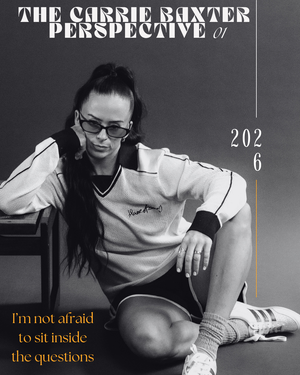
It’s less about having the answers and more about being willing to sit inside the questions.”


2. The Title

Why Seven? Is it spiritual, symbolic, chronological, or does it reflect something more personal?

“Seven is often associated with completion, the closing of one cycle and the beginning of another.

It is also connected to introspection, reflection and a deeper kind of understanding. Those ideas felt very aligned with the spirit of the record and the narrative running through the lyrics.

It’s also why I chose a deep navy as the central theme for the artwork and the album rollout.”


3. The Album Statement

A debut album feels different from singles or smaller projects. When did Seven stop being a collection of songs and start feeling like a body of work?

“Probably around track six.

By that point we were well past the halfway mark and I realised I still had more to say.

The writing process didn’t feel finished. It felt like something that needed to keep unfolding.

That was the moment it became clear we were moving toward my first full body of work rather than just a collection of songs.”


4. The Honesty

Your writing carries weight. Guilt. Desire. Self confrontation. Where does that level of emotional honesty come from?

“I think it comes from a willingness to sit with uncomfortable emotions rather than avoid them.

Writing has always been a way for me to process things I don’t fully understand yet.”


5. The Influence

There is a strong neo soul sensibility in your sound. Were artists like Erykah Badu, Lauryn Hill, Jill Scott or D’Angelo part of your foundation?

“They came to me a little later, around the time I moved to London.

My late teens and early twenties were when I really began discovering that world of music through the people I was meeting and the spaces I was spending time in.”


6. Neo Soul vs Mainstream

Neo soul is a more conscious lane than mainstream R&B. Was committing to that direction a deliberate artistic choice?

“It wasn’t really a calculated decision.

I’ve always been drawn to music that has depth and feeling in it.

The intention was never to follow a particular lane for the sake of it. It was about making music that felt honest to me.

If that means the growth is a little slower but the connection is deeper, I’m comfortable with that.”


7. The British Context

The UK has a rich neo soul lineage. Do you feel connected to that tradition?

“I definitely feel connected to that tradition, but I’m also coming at it from a slightly different place as an Irish artist.

Living in London exposed me to a lot of that UK neo soul culture and community, which definitely shaped me.

At the same time, my own background naturally brings a slightly different perspective to the sound.”


8. The Production Choice

Seven feels spacious. Nothing is overbuilt. How intentional was that restraint in shaping the emotional impact of the album?

It was very intentional.

"When a song is carrying a lot emotionally, it doesn’t need to be overbuilt.

Leaving space in the production allows the lyrics to breathe.

And reflection only happens when there’s space.”


9. The Risk

Which song on the album felt the most vulnerable to release?

“Definitely ‘I’m Sorry’ into ‘Magic Wand’.

That transition carries a lot of emotional weight for me.

It was difficult to write and equally exposing to release.

But moments like that felt important to include, because they reflect the real emotional landscape of the album.”


10. For The Record

If Seven marks your official arrival as an album artist, what chapter are we stepping into?

“Seven feels like the closing of one cycle and the beginning of another.

The next chapter is about expanding that world.

Performing the music live and allowing the storytelling to evolve even further.”


Interview #3 

A quiet beginning

By Glitch & Gold

March 2026

With only a handful of songs released, Aubany is still at what she calls “the ground floor” of her journey. But even at this early stage, her music carries something reflective and cinematic. Waterworks introduced listeners to a voice that feels both intimate and atmospheric, built more on mood than momentum.

In this conversation, Aubany reflects on where it all began, the landscapes that shaped her, and the quiet emotional weight behind her songwriting.

1. The Sentence

If someone discovers your music for the first time, what do you hope they immediately feel?

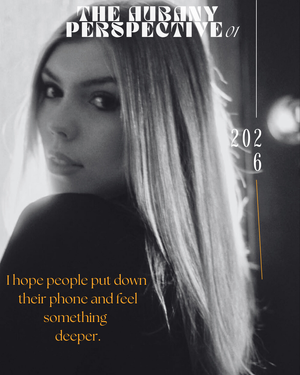
“I hope they would be inspired to put down their phone and feel something a little deeper. Maybe to sit with my story, or to use my music to relive a resonating memory of theirs.”

The answer is simple, but revealing. Aubany isn’t chasing attention. She’s hoping for presence.

2. The Real Beginning

Before Waterworks, before Spotify, when did music first become something serious for you?

“Music was never a question for me. Before I could play an instrument, it was singing as a kid in the garden, humming, or writing poems.

I think there was definitely a stage at the end of high school where I had to really actualise that this was also the career I wanted and not just the thing I loved most.”

For many artists, the shift from love to profession is a defining moment. For Aubany, that decision came quietly but decisively.

3. The Place

Which city in Australia shaped you the most? And does that landscape find its way into your sound?

“I grew up in Brisbane, Queensland until about a year ago, so it would have to be there. The beautiful nature in QLD always inspired a reflective feeling in me.

But the small town also left a lot of wonder in younger me for what was out there. Lots of time to dream, really.”

That sense of space and reflection often finds its way into her music.

4. The Sound Identity

Your music carries a cinematic indie folk atmosphere. Dreamlike, but grounded. Does that description resonate with you?

“That does resonate. It’s always hard to put words or genres to your own music, but cinematic folk probably describes the feeling best.”

Sometimes the simplest descriptions are the most accurate.

5. The Influences

Who shaped your musical instinct early on? And who do you return to now when you need inspiration?

“So many artists I probably wouldn’t listen to as much anymore haha.

I had Delta Goodrem, Missy Higgins and Taylor Swift on my iPod Shuffle and would listen over and over again. Their songwriting, especially stories of heartbreak and romance, really shaped what I write about now.

These days, any Bon Iver, Julie London or Tame Impala album will open my mind back up.”

6. The Atmosphere First

Waterworks feels built from mood rather than momentum. Do you usually start with a feeling in the room, or with something you need to say?

“It differs. Most of the time it’s a heavy feeling I have, or a feeling that a chord I play inspires.

But sometimes I just blurt out a really unhinged lyric and go ‘where did that come from’.

With Waterworks, it was the chords that originally inspired me, slowly shaping into melodies and lyrics all in one.”

7. The Maturity

There is a lyric about letting someone heal their inner child without you there. That is not a naive line. Is songwriting a way for you to process growth in real time?

“It certainly is. Songwriting is a very therapeutic way of almost discussing my thoughts with myself in real time.

Sometimes I admit things to myself while songwriting that catch me off guard.”

8. The Early Chapter

With only a handful of songs released, does this beginning stage feel freeing, or does it feel like you are being quietly examined?

“It feels totally natural. Like life, the story comes with chapters.

It can be strange knowing that all of the unreleased music isn’t available to listeners yet, because I’m used to hearing and playing them all.

But all in due time.”

9. The Direction

Are you building toward a larger body of work, or are you letting the releases arrive one at a time without a bigger plan?

“At the moment they are arriving as they come, but I do think a body of work is forming.

I am very drawn to albums and the way they allow fans to listen to your stories as an artist.”

10. For The Record

If this first chapter of your career had a title beyond the music, what would it be?

“‘The Ground Floor’.

I’m not sure why that came to mind, but it feels right for me.

The songs I have released so far were written when I was younger and going through difficult relationship and life experiences for the first time.

They capture those big and base emotions.

Everything to come explores those same emotions, but I think listeners will hear the personal growth in my lyrics and stories as my as my releases come.”


https://open.spotify.com/artist/3oXJSUdg98IQjP64FAlWQuh?si=0cNVd-ooTEeLcNy1KG-wFA


Interview #2 


A search for contentment  
By Glitch & Gold  
February 2026  

Dollars Into Dimes does not sound like an album chasing something.  
It sounds like an album weighing something.

When asked what he hopes people understand about this record ten years from now, Jesse does not speak about legacy or success. He speaks about balance.

1. The Sentence  

“The red thread is contentment.  
Wealth and happiness don’t live at the top. They live closer to the bottom.”

For years he lived the version of success he had imagined as a child. Big stages. Being seen. When his band stopped in 2018, that version disappeared. What followed was not collapse, but recalibration.

“With this album I’m mostly telling things to myself. But I hope it speaks to people who are also trying to find happiness in love and in small things.”

He hopes that in ten years he can listen back and truly understand what it meant.

2. The Real Beginning  

It never felt like a calculated country record.

“I don’t sit down to write country songs. I just write songs.”

The early demos were not even country. His songwriting references say more about his foundation than any genre label. Blaze Foley. Leonard Cohen. Townes van Zandt.

Writers first. Genre second.

It never felt like a collection of stylistic exercises. They were simply his songs.

3. The Commitment  

Country is not the dominant language in the Dutch scene. He knows that. But compromise has never been part of the equation.

“If mainstream success was my goal, I would have opened a sandwich shop or a barbershop.”

He smiles at the idea of being seen as a cowboy. A Dutch man from a row house with guinea pigs instead of horses. The romanticism of country exists for him, but without costume.

“I love older country music. I love the idea of a ranch. I love hamburgers, motor oil, troubadours. But if I start shaping my music around what others might need, I lose sight of what I need.”

4. The Risk You Didn’t Take  

There was never a moment where he felt the urge to modernise the sound.

The collaboration with producer Ruben van der Velde was built on clarity from the start. A shared mood board. A shared direction. Mutual trust.

“Good music is timeless. The moment you try to make something too contemporary, you tie it to that moment.”

The restraint was not fear. It was intention.

5. The Tradition Question  

He returns often to Waylon Jennings, Kris Kristofferson, Blaze Foley, Lorne Greene, Johnny Cash.

What resonates is not the aesthetic. It is the stillness. The sense that those songs emerged from an analogue time, when boredom existed. Or perhaps something closer to clarity.

He does not consciously reject modern elements. Some things simply interest him less. What matters is sincerity.

6. The Personal Cost  

He does not see himself as a virtuoso instrumentalist. That absence of technical obsession becomes freedom.

“I don’t think in scales or patterns. Creativity shouldn’t have boundaries or labels.”

If the record sounds traditional, it is because he listens to that tradition deeply. Not because he is guarding it.

There is no sense of sacrifice. Only alignment.

7. The Audience Tension  

There is no pressure to adapt. But there is hunger.

He tells the story of meeting Danny Vera. Carrying his vinyl for days before finally handing it over. Waiting. Receiving a compliment.

“Even that didn’t fully satisfy me.”

The sentence lingers.

“My life revolves around music. Around the possibility of a career. There is a hunger for recognition. For confirmation. For some people it’s small. For me it can feel endless.”

At thirty-nine, patience becomes complicated. The desire to be seen can tempt compromise.

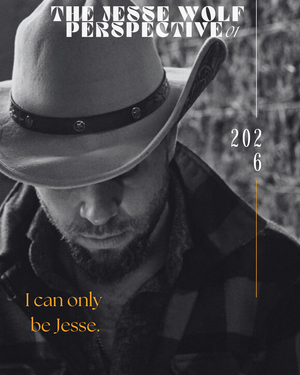
“But I can’t. I can only be Jesse.”

8. The Title  

Dollars Into Dimes speaks less about money and more about humility.

In his daily work he serves major Dutch artists. Wearing black. Supporting. Keeping ego in check.

In that position, measuring your own artistic value becomes complex.

“Maybe I should allow myself to take up more space.”

The title feels like quiet self-observation rather than complaint.

9. The Doubt  

He does not experience genre as a limitation.

“If something is good, it is good.”

Any boundary, he believes, exists in the mind of the listener. Not in the work itself.

This is what he makes. This is what he wants to make.

10. For The Record  

If this album defines a chapter of his life, he calls it simply:

“A new beginning.”

Not reinvention. Not arrival.

Orientation.

Dollars Into Dimes is a record about choosing steadiness over spectacle. About accepting hunger without allowing it to dictate the art. About learning that contentment may not be something you reach.

It may be something you practice.

Featured on Glitch&Gold Playlists 

Listen to the album

Interview