Ella Langley performing at Alan Jackson’s 5 O’Clock Somewhere Fest in West Palm Beach, Florida, June 12, 2026. Photo: Rick Munroe, CC BY-SA 4.0, via Wikimedia Commons.
November 15, 2026 | THE BUZZ | Glitch&Gold Magazine
No vocal tuning, no edited takes and no need to polish away the imperfections. Ella Langley's latest soundtrack contribution puts real musicianship at the center of a major Hollywood release.
There's something wonderfully unexpected about bringing an unpolished country recording into the world of The Hunger Games.
The films are enormous productions, built around elaborate fictional worlds, cinematic spectacle and high-stakes storytelling. Ella Langley's contribution to their latest soundtrack takes a considerably simpler approach.
Just a singer, a band and a performance they wanted to get right together.
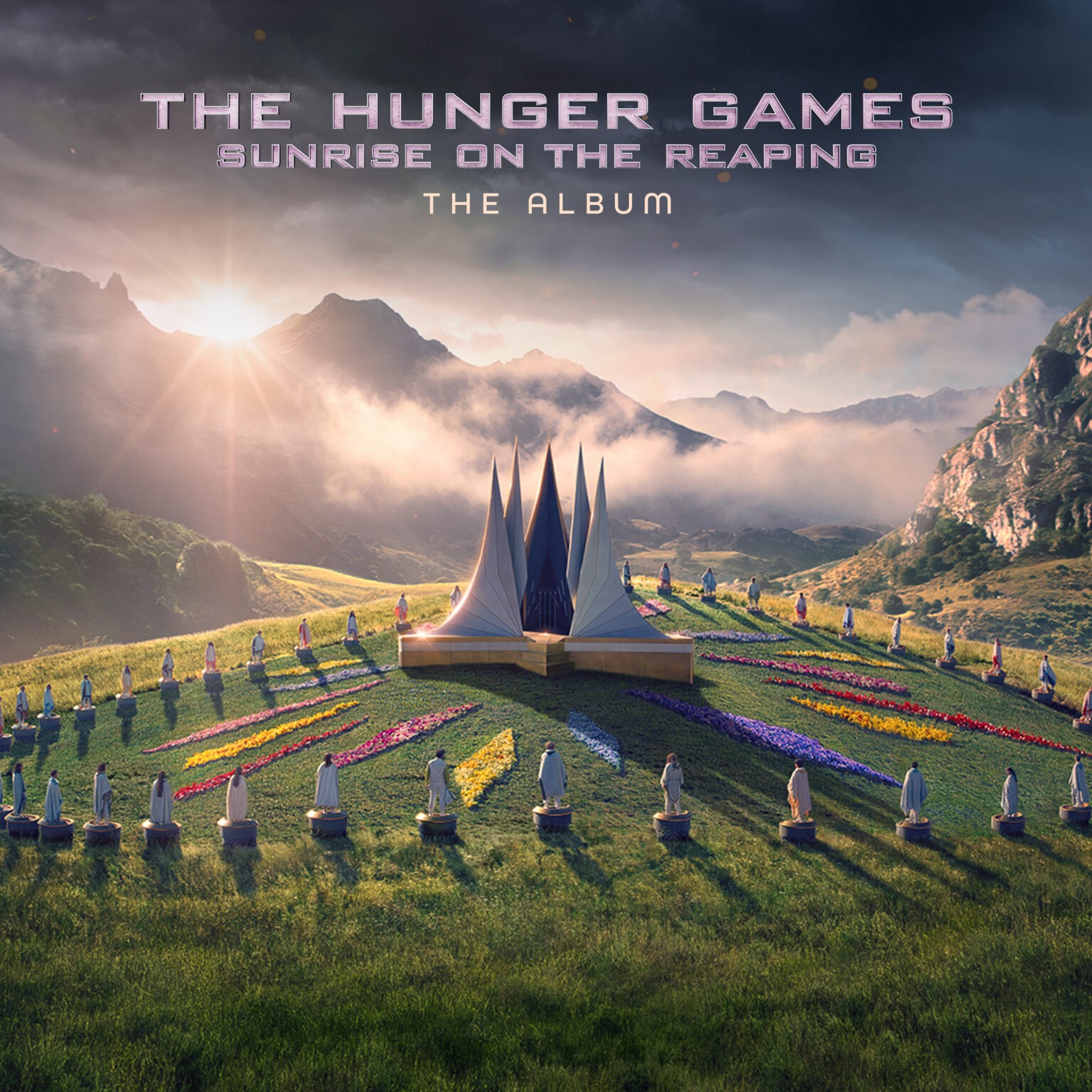
Her new song, “Here Then We're Gone,” arrived November 13 as part of The Hunger Games: Sunrise on the Reaping (The Album), a 29-track collection executive-produced by Dave Cobb.
And the story behind its recording might be just as interesting as the Hollywood connection.
Three Songs, Two Hours, One Clear Favorite
The song began during a writing session with Aaron Raitiere and Ernest, two songwriters familiar with the Nashville country scene.
According to Langley, the three managed to write three songs in just two hours. But one immediately stood apart.
“Here Then We're Gone” was her favorite of the session.
The next step brought another significant name into the picture: producer Dave Cobb, whose work with artists including Chris Stapleton and Sturgill Simpson has helped shape the sound of contemporary roots-oriented country music.
For Langley, recording with Cobb was a personal milestone.
But rather than using the studio to build an elaborate production, they decided to keep things immediate.
Langley explained that she and the musicians performed the song together repeatedly until they captured a complete take that felt right.
“No tune, no cuts,” she said in the official release announcement.
The goal was to preserve the feeling of musicians playing together, including the natural imperfections that can give a recording its character.
A Country Song About the Time We Have
“Here Then We're Gone” reflects on something country music has explored for generations: how quickly life moves, what we lose along the way and why the moments we still have deserve attention.
There's a reflective quality to the song, but its message isn't simply about sadness.
It's also about carrying on, appreciating what remains and recognizing that time doesn't wait for anyone.
That emotional directness feels particularly suited to Langley's recording approach.
A song about the fleeting nature of life doesn't necessarily need a perfectly polished performance. Sometimes a little vulnerability makes the message more convincing.
And within the world of a major film soundtrack, that simplicity offers an interesting contrast.
Country Finds Its Place in Panem
Langley isn't the only country artist represented on the album.
Stephen Wilson Jr., Madeline Edwards, Kacey Musgraves, Kashus Culpepper and Tyler Childers are among the musicians bringing country and Americana influences to the collection.
Elsewhere, the soundtrack moves through folk, alternative rock and pop, with contributions from Noah Kahan, The Smashing Pumpkins, Stevie Nicks and others.
It's an unusually broad musical lineup, but one that leaves plenty of room for roots music to speak in its own voice.
The film, The Hunger Games: Sunrise on the Reaping, arrives in theaters November 20. Set 24 years before the original story, it follows a young Haymitch Abernathy during the 50th Hunger Games.
While Langley's recording appears on the official soundtrack album, its inclusion doesn't establish whether the song is heard in the finished film.
For Langley, though, the musical achievement stands on its own.
She's contributed to one of cinema's most recognizable franchises without abandoning the recording approach she wanted for the song.
And there's something refreshing about that.
In a production as big as The Hunger Games, sometimes the most interesting thing you can bring is a little less production.